Car Maintenance Schedule for Indian Conditions: A Workshop Checklist
Koovers Editorial
August 20, 2026 • 7 min read
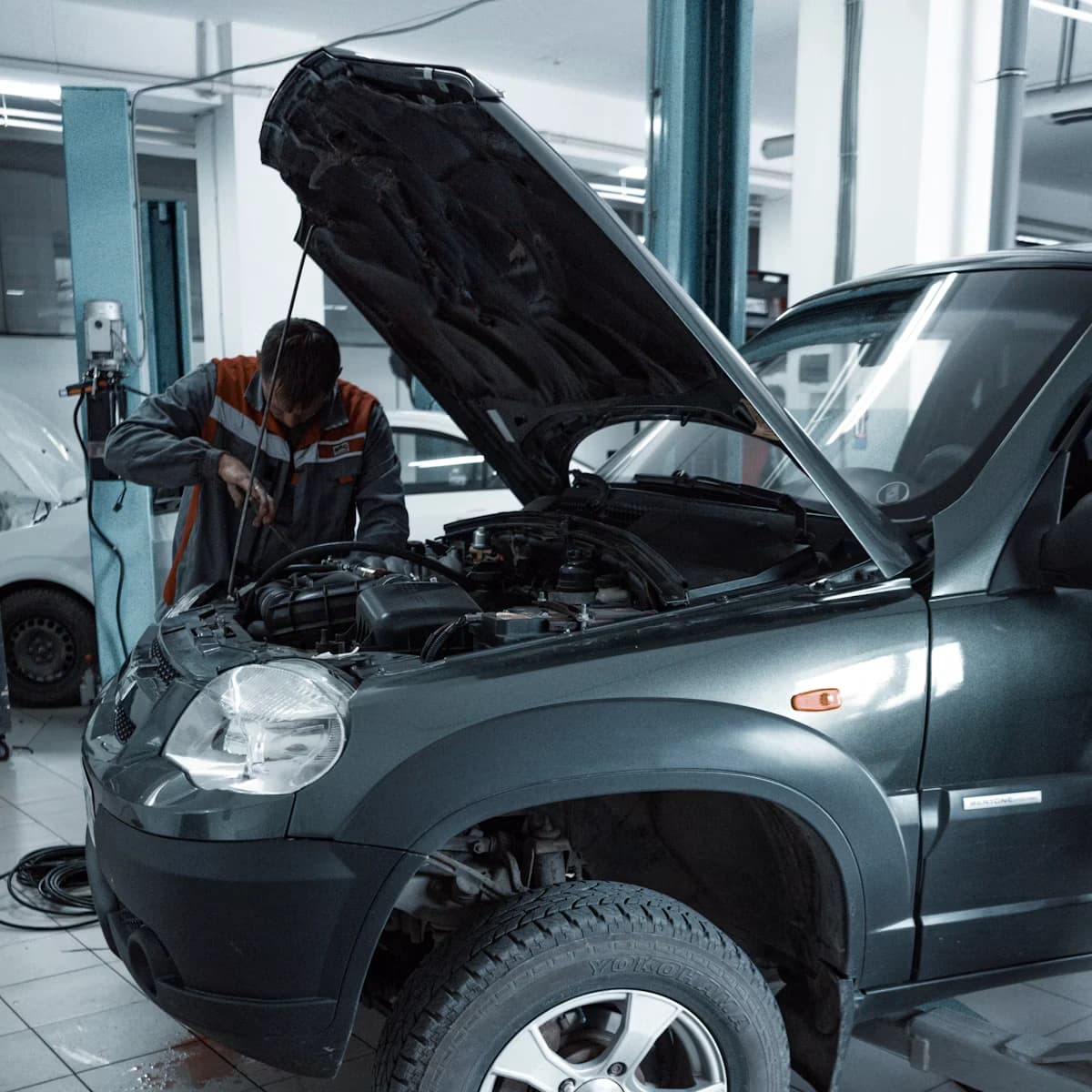
Every workshop has a version of this conversation. A customer arrives, says the car is due for a service, and has no idea what that actually means. Some expect an oil change. Some expect everything. The gap between those two expectations is where workshops either build trust or lose it.
A service schedule solves that. It turns a vague request into a defined piece of work with a defined price, and it turns a one off customer into a returning one. Here is a practical schedule and checklist built for how cars are actually used in India, and where the manufacturer book needs adjusting.
Start with the manual, then adjust for reality
Most Indian passenger cars run a service interval of 10,000 km or twelve months, whichever arrives first. Several models run 15,000 km. The manual for the specific model, engine and fuel type is the authority, and it is worth keeping a reference sheet for the models you see most rather than working from memory.
That schedule assumes conditions the manufacturer defines as normal. Very little driving in India is normal by that definition. Dust, sustained heat, dense stop start traffic and a long wet season all age components faster than distance alone suggests. The manual sets the outer limit. Your inspection sets the real one.
The service schedule by kilometre
Use this as the framework. Replace what the schedule calls for, inspect the rest at every visit, and record the measurements so the next service has a baseline to compare against.
| Service point | Typically replaced | Always inspected and recorded | |
|---|---|---|---|
| First service (about 1,000 km) | Engine oil and oil filter on most models | Fasteners, fluid levels, tyre pressure, road test | |
| Every 10,000 km or 12 months | Engine oil, oil filter, air filter as condition demands | Brake pad thickness, disc condition, coolant, battery, tyres, lights, wipers | |
| Every 20,000 km or 24 months | Air filter, cabin filter, fuel filter on many diesels | Brake fluid condition, suspension play, drive belts, exhaust | |
| Every 40,000 km | Spark plugs on many petrol engines, brake fluid | Clutch wear, steering, wheel bearings, drive shafts | |
| Every 60,000 to 80,000 km | Coolant, transmission oil on several models | Timing belt condition where fitted, suspension bushes | |
| Every 100,000 km and beyond | Timing belt where specified, water pump with the belt | Full driveline inspection before the next long interval |
Coolant, transmission oil and timing belt intervals vary widely between models, so confirm those against the manual rather than the table. And brake pads, clutch and tyres never belong on a distance schedule at all, because they wear on use and not on odometer reading.
The first service is the one that matters
The first service, usually due around 1,000 km or one month, is the single most skipped item in Indian car ownership. Customers treat it as a formality on a car that is visibly new.
It is not a formality. It clears the fine metal particles that a new engine sheds during run in, and it catches fasteners that have settled since assembly. It is also your first chance to establish the service relationship before the customer defaults to whoever is nearest. If you do nothing else with your reminder system, use it here.
What Indian conditions actually change
| Indian condition | What it does | How the schedule should respond | |
|---|---|---|---|
| Dust and particulate load | Chokes air and cabin filters well before the stated interval | Inspect air filter every service, replace on condition not on distance | |
| Sustained heat | Degrades engine oil, coolant and battery faster | Check coolant strength and battery health at every visit | |
| Stop start city traffic | Multiplies brake and clutch wear against low distance covered | Judge brakes and clutch on wear, never on the odometer | |
| Monsoon water and slush | Accelerates brake, wiper, light and underbody corrosion | Add a wet season inspection to the check sheet from June to September | |
| Variable fuel quality | Loads fuel filters and injectors on some engines | Watch fuel filter intervals closely on diesel and on fleet vehicles |
August is a useful month to be strict about this. The monsoon is still running across much of the country, and the festive season service rush is a few weeks out. Cars coming in now have had two or three months of wet road exposure, and they will be asked to do long family trips shortly. That combination is exactly when brake, wiper, light and tyre inspections earn their place on the sheet.
Inspect on condition, not on distance
The items that cause comebacks are almost never the ones on the replacement schedule. They are the ones that wear on use.
• Brake pads and discs: Measure them at every service. Our guide to worn brake pads covers the thickness thresholds that decide replacement.
• Clutch: Judge on bite point, slip under load and pedal travel, not on kilometres covered.
• Battery: Heat is harder on batteries than cold. Test rather than eyeball, especially on cars over two years old.
• Tyres: Tread depth, uneven wear pattern and age. A tyre can time out before it wears out.
• Suspension: Bushes, links and shock absorber condition, which Indian road surfaces punish continuously.
• Wipers and lights: Two minute checks that matter enormously in a wet season.
Fleet and commercial vehicles need their own schedule
A taxi covering 8,000 km a month and a private car covering 800 km a month should not run the same schedule, even though the manual gives them the same numbers. Duty cycle, load, idling hours and driver behaviour all sit outside what the manufacturer interval assumes.
For fleet work, a practical approach is to run at roughly two thirds of the stated distance interval, tighten the inspection frequency on brakes and suspension, and hold stock for the parts that particular fleet consumes. Fleet operators will pay for predictability, because unplanned downtime costs them far more than a service does.
Turning the checklist into a process
A schedule only works if it is on paper or on a screen, not in one technician memory. That means a standard check sheet applied to every vehicle, measurements written down rather than remembered, and a reminder going out before the next service falls due.
This is where workshop software earns its keep. Koovers DMS handles job cards, estimation and invoicing, spare parts ordering and order tracking in one place, so the check sheet, the parts order and the customer record stay connected instead of living in three different notebooks.
What to stock against the schedule
A service schedule is also a stocking forecast. If you know the model mix that comes through your bay, you know roughly what your filter, oil and brake consumption looks like for the next quarter. Holding depth on those fast moving lines is the difference between finishing a service today and asking the customer to come back.
Koovers supplies genuine OEM and OES filters, lubricants, brake components and suspension parts for all major car brands. Every part is certified and traceable, because Koovers is a Schaeffler India company, and our Hubs and Connect store network is built for fast local delivery, so a service does not stall waiting on a filter.
If you are deciding which grade of part to fit against a service schedule, our guide to OEM, OES and aftermarket parts explains the difference.
Frequently asked questions
Koovers — Right Spares, Right Price, Right Time. A Schaeffler India company.